Illustration Project, Techniques, Part IV
In this lesson, I want to focus on some techniques that you could use on this project. You can experiment on the previous study sheets that you have created: Thumbnail sheet; Composition of the Masses sheet; Point of Focus on the Furniture and details sheet.
- Washes in Watercolor- 2 methods: dry paper; wet paper
- Dry Brush- 2 methods: Side of the brush; Fan the end
- Leaving areas of the white paper for lights; Masking these to keep them clean.
- Spatter technique with watercolor to unify the masses, especially in the background.
- Conscious of the placement of the text.
Assignment:
Using your 3 previous study sheets: Thumbnail sheet; Composing the large masses sheet; Point of Focus, furniture sheet. Or any experimental sheets that you made that you are not going to use. Do not try this on your final sheet until you have experimented with these techniques on studies that you are not going to need for the final version.
Experiment with these techniques. You may need to work on another sheet if you have not left any white areas to experiment with masking/watercolor washes.
Materials:
- Previous study sheets and/or new sheet
- pencil
- watercolor (palette, paper towels, brushes, water), If you do not have a palette use a plastic lid from a storage container.
- Toothbrush and stick (brush handle, wooden spoon handle etc.) This must be an old toothbrush.
- If you do not have a toothbrush, you may use a screen from your kitchen: mesh colander, spatter screen etc. to use with a paint brush.
- Newspapers or brown bag on table to contain spatters.
- Scrap paper and or paper towels to use as masking.
Take a photo of your experiments– If you have multiple sheets label the technique for each sheet. I need to see:
- Spatter technique-1 color to unify; or 2 colors to add texture.
- Masking – either to keep an area white or protect from spatter/and or shape the direction of the spatter. This will be hard for me to recognize in your photos so take the photo with a label of the area.
- Dry Brush- both methods: side of the brush on dry paper; fan the end of the brush and apply dryly.
- Washes- wet into wet; dry paper.
Due : Thursday, April 8 at 11:59 AM; Wednesday, April 7 before 11:59 AM. Hand in on time to keep up.
Upload photo.
Examples of Washes


Andrew Wyeth uses both kinds of washes- On dry paper ( in the water near reflection) and wet into wet (in the sky with the pine tree and water/sky in the coastal image).
Wyeth’s technique.
http://gurneyjourney.blogspot.com/2016/01/andrew-wyeths-techniques-in-1942.html
Examples of Dry Brush


Dry Brush is evident on the window frame (apples) and on the rock and sky (Helga).
Examples of Spatter

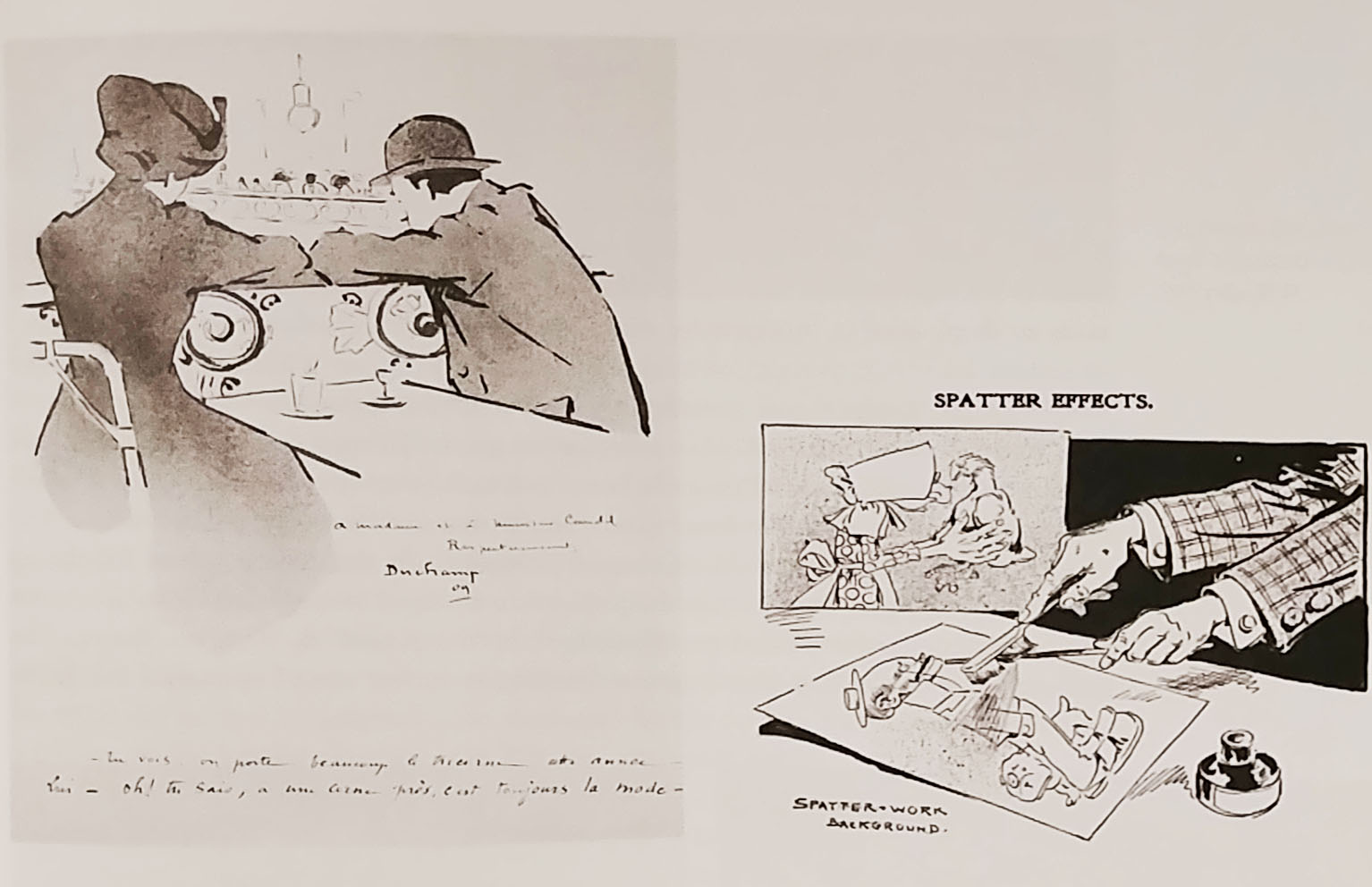

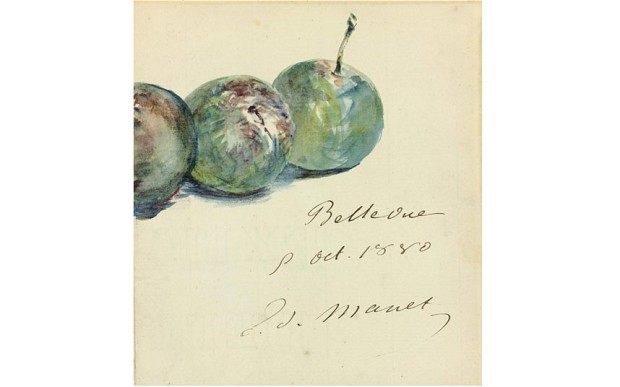
Below are images by Edward Manet. These are part of his illustrated letters. Here Manet uses several techniques. I am showing you these so that you may see what is possible for the Point of Focus area on your illustration.



 Drawing Class